Kyle, 14, Built a Real App for a Real Business: What Real-World Coding Projects Teach Teens
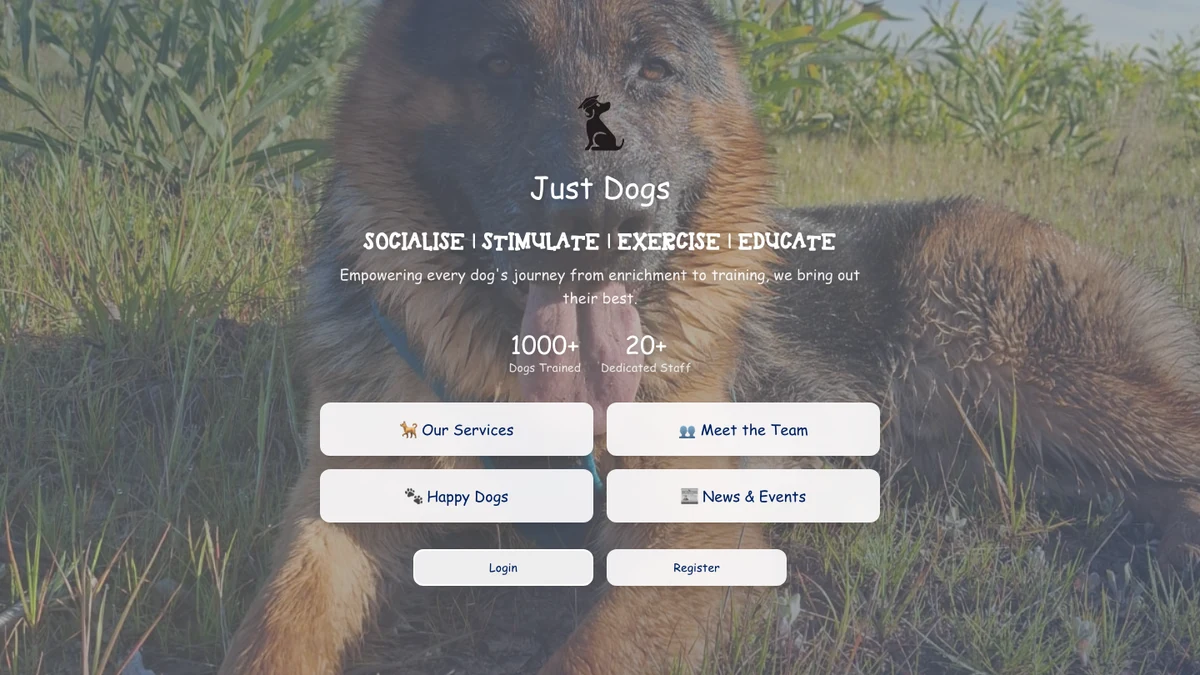
Real-world coding projects teach teens things a classroom can't: how to work from someone else's brief, how to act on feedback halfway through a build, and how to hand over something a business actually depends on. Kyle, a 14-year-old Strive student from Singapore, learned all of it by spending nine months building a dog training management platform for Just Dogs, a real business in Cape Town. When he handed it over, the owner wrote him a letter of recommendation he can use in his university and college applications. His story shows what happens when a teenager builds for a real person instead of for a mark.
From First Lesson to First Client in Three Years
Kyle joined Strive Coding in 2023, aged 11. He started the way most kids do, curious and a little unsure, working through Python one lesson at a time. Those fundamentals took him through games, visualisations and small interactive projects, the seven units that make up the equivalent of a first-year university introduction to programming.
From there he moved into Strive AI Coding, where students work like professional software developers and use AI tools deliberately. That's where the Just Dogs project began. When his teacher told him he'd be building for a real client, his reaction was honest: "I was surprised and kind of excited. It would help me develop my skills."
What Kyle Built for Just Dogs
Just Dogs trains dogs using compassionate, fear-free methods. As the business grew, the team needed one place where trainers, administrators and dog owners could manage bookings, share progress and stay in touch. Kyle described the result simply: "It's a portal for clients to connect with dog trainers to get updates on their dogs."
Behind that one line sits a full platform, built from scratch:
- A booking system that works for both the admin team and clients
- Trainer accounts and session feedback, so owners see how each session went
- Dog profiles that track each dog's training progress
- Admin dashboards for running the business day to day
- A Facebook feed integration and timezone handling
The booking system is the part Kyle is proudest of, because it had to work smoothly on both sides: for the staff scheduling sessions and for the owners booking them.
Real Clients Give Real Feedback, and That Changes How Teens Learn
The most useful thing Kyle took from the project was a new understanding of feedback. "In school you take the exam and get feedback after," he told us. "But for the project, there's the process of creating it, doing the code, getting feedback, modifying it, and getting feedback again."
That loop is how professional software gets made, and very few teenagers ever experience it. A worksheet gets marked once. A client keeps asking for changes, and sometimes the brief itself shifts. Kyle had to read what Lucy and her team needed, adjust the platform, and show them the next version. Lucy singled this out in her letter: "What stood out most was Kyle's responsiveness to feedback and his ability to adapt the platform based on evolving requirements and usability considerations."
Real projects also have slow stretches, and Kyle was open about them. "There's the period of time where we didn't send anything to the client and didn't get much feedback," he said. "It felt kind of slow." Pushing through those weeks, with no grade waiting at the end, is its own kind of lesson in persistence.
A Recommendation Letter Built for College Applications
In May 2026, Kyle handed the finished platform to Just Dogs. Lucy Breytenbach, the owner, wrote him a formal letter of recommendation. She praised his "strong technical ability, creativity, professionalism, and a genuine willingness to learn and improve," and noted the thought he'd given to "accessibility, mobile usability, and creating a smooth experience for dog owners and trainers alike."
Lucy closed by saying she "would gladly recommend him for future academic opportunities, internships, collaborative projects, or professional roles." Kyle can include that letter in his university and college applications, and it gives admissions readers something most teenage applicants can't offer: a business owner, writing on their own letterhead, describing work they rely on.
Admissions teams read thousands of applications listing coding courses, competitions and certificates. A live product with a named client is harder to match. It shows sustained effort over nine months, the ability to work with an adult professional, and the maturity to take criticism and act on it. Lucy put it in her own words: Kyle "approached each new challenge with patience, maturity and dedication throughout the process."
Kyle's own reflection on the experience was quieter: "It feels really nice after you finish an app and you look at it, and all the pain, it's not as bad anymore."
Why Real-World Coding Projects Matter More in the AI Era
AI tools can now generate code in seconds, which makes it tempting to think the fundamentals matter less. Kyle's project shows the opposite. A booking system used by real staff and real customers has to work every time, and AI output has to be read, tested and corrected by someone who understands it. Kyle could direct AI tools on the Just Dogs build because three years of Python had taught him how code actually behaves. We've written more about this in why vibe coding is a starting point, not a substitute.
The project also changed how he sees software in general. "Even simple apps, now that I look at it, I feel more understanding towards the developers who made it," he said. That kind of empathy for the people behind a product comes from building one yourself, for someone who depends on it.
Kyle joins a growing group of Strive students building for the world outside the classroom. Ethan built his own browser at 13, and a 16-year-old used AI to rebuild a government website.
How Your Child Can Build for a Real Client
Kyle's project took nine months, but the pattern behind it works at any scale. Every real-world project he went through followed the same stages:
- Meet the problem by talking to the person who has it
- Scope it down to one problem, one tool and one user
- Build a first version and get it live early
- Show it to the client, listen, and change it
- Hand it over with everything the client needs to keep using it
A small, finished tool for a local business or a cause your family cares about teaches the same lessons as Kyle's platform: working to a brief, acting on feedback, and seeing someone use what you made. It also leaves your child with a live link and a letter from a real organisation, the kind of portfolio evidence that makes a college application stand out.
Projects like Kyle's happen in Strive AI Coding, where students build production software with a teacher alongside them and use AI tools the way professional developers do. If your child is new to coding, Strive Coding starts with Python and real projects they can share, and leads straight into AI Coding once they've mastered the fundamentals.
