What a Good Learning Environment Looks Like for a Child With ADHD
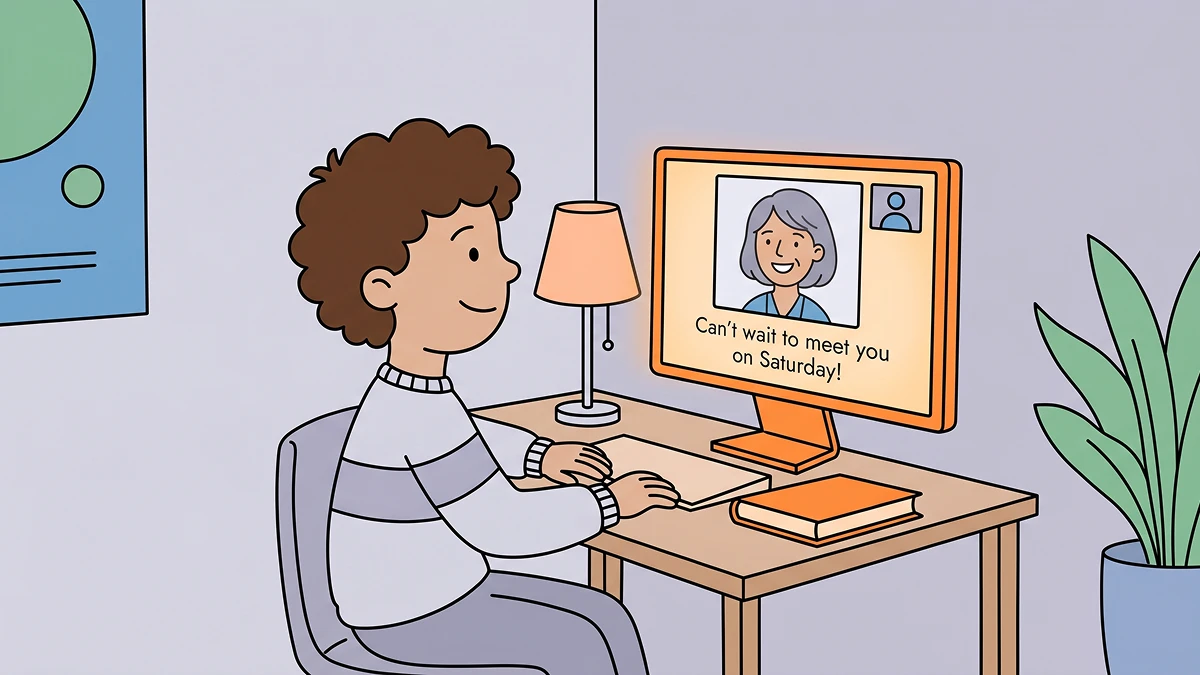
Finding the right coding classes for kids with ADHD is harder than the search results make it seem. The technical curriculum matters, but it's secondary to a more immediate question every parent of a neurodivergent child is really asking: will this teacher understand my child, or will they spend the lesson managing them? That question shapes everything. For many families, it's the one that determines whether their child gets to feel like a learner at all.
Before Amaya's first class at Strive, her parents messaged her teacher to explain a few things. Amaya can be very talkative. She struggles with quiet activities. Sometimes she'll blurt out an answer before thinking it through.
Veronica, her teacher, replied:
"Thank you. Truly appreciate the update. Can't wait to meet her on Saturday! 😀"
Amaya has ADHD, and that reply mattered more than it might seem.
Why the Welcome Matters So Much
Parents who send messages like that one have usually been burned before. They've watched their child get labelled as disruptive, seen teachers treat the ADHD as a behaviour problem rather than a learning difference, and sat through meetings where the focus was on what their child couldn't do rather than what they needed.
Veronica's response told them something different. It told them the teacher was listening, that Amaya would be met as she is, and that her needs would be handled with care rather than correction. For many neurodivergent children, that kind of welcome is what makes learning possible at all.
A 2023 WHO and UNICEF report on inclusive education highlights individualised support and strong family-school partnerships as two of the most effective factors in supporting children with learning differences. The research is consistent: when a child feels safe, their capacity to engage and retain information increases significantly.
What Good Support Looks Like in Practice
Warmth is necessary but not sufficient. Good intentions don't automatically translate into effective teaching. NICE has noted that teachers often feel unequipped to support children with ADHD when they haven't been given enough training or context about the specific child in front of them.
At Strive, the information parents share before class is where we start. We use it to prepare the teacher, structure the lesson, and create conditions where the child can re-engage without being singled out.
In practice that means clear pacing, explicit instructions, and brief resets built into the lesson without shame attached to using them. When attention drifts, the response is a calm redirection rather than a correction. The bar doesn't lower. The approach adapts.
For Amaya, the first lesson started with something familiar: reviewing a project she'd already done. Then a clear, specific plan for what they'd build next. The expectations were set. The tone was calm. When she drifted, she was brought back quietly.
After class, Veronica wrote to her parents again. Amaya, she said, was wonderful. Smart, full of energy, and someone she was looking forward to working with again.
What We're Still Working On
We're honest that this isn't perfect across every teacher and every class. Good intentions don't equal consistent execution. We're actively working on how to formalise our approach so that every neurodivergent learner gets the experience Amaya had, not because they were lucky with their teacher, but because we built it in.
Neurodiversity isn't an edge case at Strive. It's our everyday. And we're committed to building learning spaces where students who might struggle in traditional classrooms can finally feel seen, supported, and stretched.
If you're raising a child who learns differently, Strive Coding is worth a conversation. We also run a Strive Math programme built around the same approach: understanding how each child learns before we teach them anything.
